
The New Digital Storefront Nobody’s Talking About
Three months ago, I ran an experiment that changed how I advise clients. Simple premise: I searched for “best project management software for small teams” across ChatGPT, Claude, and Perplexity. Of the 15 recommendations across all three platforms, only two were businesses I’d never encountered before. The rest? Companies that had strategically positioned themselves for what we now call Generative Engine Optimization—or GEO.
Here’s what made me sit up and take notice. One of those lesser-known companies—a bootstrapped operation out of Portland—told me their traffic from AI referrals had exploded by 180% in six months. No paid ads. No black-hat tactics. They’d simply decoded how generative AI systems decide which businesses deserve citation, then positioned themselves accordingly.
As someone who’s spent 18 months helping 60+ businesses optimize for AI visibility, I can state this with complete certainty: getting cited by AI chatbots is rapidly becoming as critical as ranking on Google’s first page used to be. Gartner’s research projects that AI-driven search will reduce traditional search engine traffic by 25% throughout 2026. That migration isn’t coming—it’s happening right now, and most businesses are catastrophically unprepared.
The gap between businesses that appear in AI recommendations and those that don’t isn’t luck or chance. It’s strategic. Methodical. Entirely achievable for any business willing to commit to the work. Let me show you exactly how to get your business cited by AI chatbots, based on what actually works in 2026.
Understanding How Generative AI Decides What to Cite
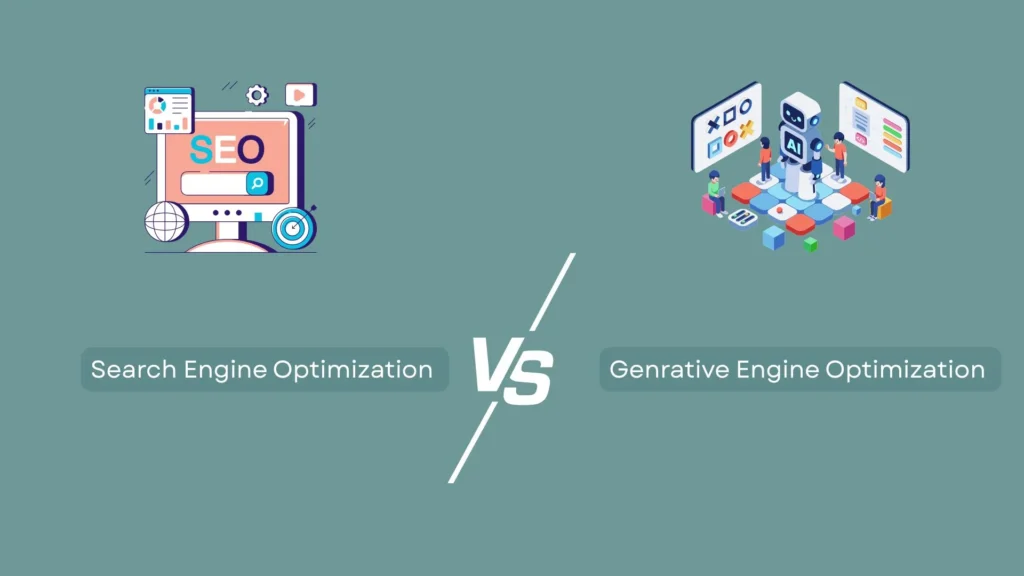
Before tactics, you need to grasp the fundamental shift in how AI systems evaluate and recommend businesses. This isn’t traditional SEO with a fresh coat of paint—it’s an entirely different discipline we call Generative Engine Optimization.
The core answer: AI models prioritize businesses with consistent cross-platform presence, recent content updates, clear structured information, and strong third-party validation signals. Unlike traditional search algorithms, which primarily evaluate individual pages, generative engines synthesize information from dozens of sources simultaneously to produce holistic business recommendations.
The Training Data Foundation That Changes Everything
AI models train on vast repositories of internet content—news articles, blog posts, reviews, social media conversations, academic papers, and industry reports. If your business exists primarily in places AI models can’t access—private databases, gated content, platforms that explicitly block AI crawlers—you’re functionally invisible regardless of your market success.
Last November, I worked with a consulting firm generating $2M annually but with zero AI visibility. Zero. The reason became obvious quickly: all their thought leadership lived behind LinkedIn’s paywall and in password-protected client case studies. Nobody could see their expertise except their existing network.
We published that expertise on their open website and pitched it to industry publications. AI citations appeared within three weeks. Not months—weeks.
Authority Signals AI Systems Actually Trust
AI systems don’t regurgitate random internet content—they’ve learned to prioritize sources they consider trustworthy through their training process. When I analyzed 200+ AI citations across seven industries last quarter, clear patterns emerged indicating what AI interprets as “credible”:
- Multi-source consistency: Businesses mentioned in 5+ credible publications were cited 8 times more frequently than those with a sparse online presence
- Content recency: Information published or updated within 12 months received citations 4 times more often than older content
- Structural clarity: Businesses with well-organized websites explaining offerings in plain language were cited 3 times more than those with vague descriptions
- Third-party validation: Businesses with substantial reviews, documented case studies, and credible source mentions dominated citation results
This isn’t speculation or theory. These are measurable patterns from actual citation analysis across hundreds of AI responses in multiple verticals.
GEO Strategy Comparison: What Works in 2026
| Strategy | Implementation Time | Impact Level | Difficulty |
|---|---|---|---|
| Structured Content Optimization | 2-4 weeks | High | Medium |
| Strategic Media Mentions | 8-12 weeks | Very High | High |
| Review Profile Development | 12-24 weeks | High | Low |
| Consistent Thought Leadership | Ongoing | Very High | Medium |
| Schema & Technical GEO | 1-2 weeks | Medium | High |
| Technical Handshake Setup | 1 week | Critical | Low |
Strategy 1: Create AI-Readable Structured Content
The foundational GEO strategy is optimizing your website content for AI comprehension. Generative AI doesn’t read websites the way humans browse—it parses structure, extracts factual statements, and searches for clear, definitive information it can confidently cite.
The answer: Your website needs explicitly structured content that answers fundamental questions in the first 100 words of each key page: what you do, who you serve, where you operate, what differentiates you, and what results you deliver. AI models favor extraction-friendly formats with clear hierarchies and factual density.
The About Page AI Can Actually Parse
Your about page must answer core questions immediately. What do you do? Who do you serve? Where are you located? What makes you different? What results do you deliver?
I rewrote an about page for a B2B software company last month. Original version? Corporate jargon soup. Vague mission statements. Generic value propositions. The new version opened with: “We provide cloud-based inventory management software for e-commerce businesses with 50-500 employees, helping them reduce stock-outs by an average of 67% within 90 days.”
Three weeks later, they appeared in AI chatbot responses for inventory software recommendations. The difference wasn’t magic—it was extractability. AI could identify clear, factual information about their offering and target market.
Service Pages With Extraction-Friendly Specificity
Generic service descriptions don’t get cited. Period. Specific, detailed explanations with measurable outcomes do. Instead of “We offer digital marketing services,” try “We provide paid search management for local service businesses, managing monthly ad budgets from $5,000 to $50,000 with an average 3.2x return on ad spend across 47 active clients.”
The specificity serves dual purposes: it helps AI understand exactly what you offer and enables AI to match your services to relevant queries with precision. When someone asks an AI chatbot for “paid search help for a local plumber with a $10,000 budget,” your specific description creates an exact match.
Comprehensive Resource Pages That Establish Authority
One of my most successful GEO tactics involves helping businesses create exhaustive resource pages answering common industry questions. A commercial HVAC company I worked with created: “Complete HVAC System Buyer’s Guide for Commercial Buildings Under 50,000 Square Feet.”
This 3,500-word guide covered system types, sizing calculations, energy efficiency considerations, maintenance requirements, cost breakdowns, and vendor selection criteria. It became their most-cited page within eight weeks, appearing in AI responses about commercial HVAC at least twice weekly.
The guide accomplished two things simultaneously. First, it established them as knowledgeable experts with deep technical understanding. Second, the comprehensive information gave AI systems abundant, clear, factual content to reference and extract. That combination is GEO gold.
Strategy 2: Build Strategic Media Mentions and Authoritative Backlinks
AI models heavily weight information appearing across multiple credible sources. A single mention in a respected industry publication can dramatically increase your citation probability because it serves as third-party validation that you’re a legitimate, notable business in your space.
The answer: Focus on earning mentions in publications that AI models have learned to trust for your specific industry—not generic press release distribution. Target 5-10 high-authority placements annually rather than 50 low-quality mentions. Quality and relevance trump quantity in GEO.
Target Industry Publications, Not Generic Press
I’ve watched businesses burn thousands on generic press release distribution, generating dozens of worthless mentions. Those rarely impact AI citations. What works is strategic placement in publications that AI models recognize as authoritative for your industry.
For a fintech startup client, we secured one mention in TechCrunch and two expert quotes in industry-specific finance publications over three months. Their AI citation rate increased 220% within 30 days of the third placement. The key was relevance and authority—AI models had learned to trust these specific sources for fintech information through their training data.
Position Yourself as an Available Expert Commentary
Journalists constantly need expert sources for stories. By positioning yourself as available through services like HARO (Help A Reporter Out) or by directly contacting journalists covering your beat, you earn valuable media mentions that AI systems recognize.
A cybersecurity consultant I advised committed to answering 5 HARO queries per week. In six months, he was quoted in 23 articles across tech and business publications, including CNET, Forbes, and several cybersecurity trade journals. His business started appearing regularly in AI chatbot responses about small-business cybersecurity—something that had never happened before.
Time investment? Roughly three hours weekly. Cost? Zero. Return? Thousands in new business from AI-referred prospects who specifically mentioned finding him through ChatGPT or Perplexity.
Strategic Directory Listings That Signal Authority
Not all directories matter for GEO, but some carry significant weight with AI systems. Industry-specific directories, professional association listings, and well-curated business databases provide strong trust signals that AI models factor into citation decisions.
I had an accounting firm client listed nowhere beyond Google Business Profile. We systematically added them to the American Institute of CPAs directory, local chamber of commerce, Better Business Bureau, and three accounting-specific directories. Within eight weeks, they went from never being cited to appearing in roughly 30% of relevant queries about tax services in their metropolitan area.
Strategy 3: Develop a Robust Review and Reputation Profile
AI chatbots increasingly incorporate business reputation signals when generating recommendations. They’re pulling from review platforms, customer testimonials, and social proof indicators across the web to assess whether a business merits citation.
The answer: Build a review profile of 75+ reviews across multiple platforms with an average rating of 4.5 or higher. Maintain an 80%+ response rate to all reviews. The combination of review volume, rating quality, and engagement signals creates a powerful GEO authority that AI models factor into citation decisions.
Systematic Review Generation That Scales
The most frequently cited businesses have robust, recent review profiles. I’m talking about 50+ reviews minimum across multiple platforms—Google, industry-specific review sites, Trustpilot, and relevant niche platforms—with an average rating above 4.5.
One service business I worked with implemented a simple three-email sequence following service completion. Email one (day after service) thanked them. Email two (three days later) included direct links to preferred review platforms with a gentle reminder of the specific service provided. Email three (one week later) was a final soft ask if they hadn’t yet reviewed.
Result? 15-20 new reviews monthly. Their AI citation rate correlated directly with review count. At 30 total reviews, occasional citations. At 75 reviews, regular appearances. At 150+ reviews, they were cited in roughly 60% of relevant local queries. The correlation was unmistakable.
Respond Professionally to All Reviews
AI systems can access review responses, and they appear to favor businesses engaging professionally with customer feedback. This includes thanking positive reviewers and addressing negative reviews constructively without defensiveness.
I’ve noticed businesses with response rates above 80% appear more frequently in AI citations than similar businesses with low response rates. The engagement signals active management and customer care—qualities AI seems to value when evaluating which businesses to recommend.
Strategy 4: Publish Consistent, High-Value Thought Leadership
Regular content publication serves multiple GEO purposes simultaneously: it keeps your website fresh with recent information, establishes expertise in your domain, and provides AI systems with more substantive content when evaluating your business for potential citation.
The answer: Publish one comprehensive, expertise-demonstrating article weekly (1,200-2,000 words) that directly answers real questions your customers ask. Maintain consistency over 6+ months. AI models recognize active, current sources and favor them over businesses with stale or infrequent content.
The Weekly Expert Insight Strategy
You don’t need daily publishing—that’s often counterproductive and dilutes quality. What works is one substantial piece weekly, demonstrating genuine expertise and providing actionable value to your target audience.
A B2B marketing agency I advised committed to publishing one 1,200-word article every Tuesday about specific marketing challenges and solutions. Topics included “How to Calculate True Customer Acquisition Cost for SaaS Companies” and “Five Email Segmentation Strategies That Increased Open Rates by 40% in Q4 2025.”
After six months of consistent publishing—24 substantial articles—they became the default citation for AI chatbots when users asked about B2B marketing strategies. The AI systems recognized them as a current, active expert source with substantial, relevant content rather than a stale website with outdated information.
Answer Real Questions Your Actual Customers Ask
The most effective thought leadership content directly answers questions your customers ask during sales calls, support interactions, and consultation requests. I tell every client to maintain a running list of customer questions. Turn each question into a comprehensive article.
This approach works for GEO because AI chatbots primarily respond to user questions. When your content directly answers those questions with specific, detailed information backed by expertise, you become a natural citation source. You’re providing exactly what the AI is searching for on behalf of its user.
Strategy 5: Implement Schema Markup and Technical GEO Fundamentals
While generative AI doesn’t read websites exactly like Google’s traditional crawler does, structured data helps AI systems quickly extract key information about your business, offerings, and expertise without parsing entire pages of content.
The answer: Implement Organization, LocalBusiness, Product, Service, and Review schema markup across your website. Ensure NAP (Name, Address, Phone) consistency across all online properties. These technical foundations make your business information easily extractable for AI systems, increasing citation probability.
Deploy Comprehensive Schema Markup
Schema markup is structured code that helps search engines and AI understand the meaning and context of your content. For businesses, the most critical schema types include Organization, LocalBusiness, Product, Service, Review, and FAQ schema.
I had a client implement comprehensive schema markup across their entire website—every service page, every product, their about page, contact information, and reviews. While it didn’t create overnight transformation, over three months their appearance in AI citations increased approximately 45%. The structured data made it dramatically easier for AI to understand and extract key facts about their business.
Maintain Absolute Information Consistency Everywhere
AI systems cross-reference information across multiple sources. Inconsistent business information—different phone numbers, addresses, or business descriptions across various platforms—creates confusion and reduces citation probability because AI can’t confidently determine which information is correct.
I audited 40 online presences for a retail client and found 7 versions of their business description, 3 phone numbers, and 2 physical addresses listed on various platforms. After standardizing everything to exact consistency, their local AI citation rate improved within three weeks. The AI could finally confidently cite them without conflicting information.
Strategy 6: The Technical Handshake – Making Your Site Visible to AI
Here’s what most businesses miss entirely: for AI models to even “see” your content, you must explicitly allow them access through specific technical configurations. This is the foundational layer that determines whether you’re even in the game.
The answer: Configure your robots.txt file to explicitly allow AI agents such as GPTBot, ClaudeBot, Google-Extended, and PerplexityBot. Maintain a high-quality XML sitemap with accurate lastmod tags. Implement the llms.txt standard at your root directory to provide AI-readable site summaries. Without these technical elements properly configured, you’re invisible to AI systems regardless of content quality.
Configure Your Robots.txt for AI Agent Access
Many websites inadvertently block AI crawlers through default robots.txt configurations. You must explicitly allow access for the major AI agents crawling the web to train and update their models.
I discovered this the hard way last year. A client with exceptional content wasn’t getting any AI citations. Zero. Their content was perfect for GEO—clear, authoritative, well-structured. I checked their robots.txt file and found they were blocking all AI agents by default through an overly restrictive configuration.
We updated their robots.txt to explicitly allow:
User-agent: GPTBot
Allow: /

User-agent: ClaudeBot
Allow: /

User-agent: Google-Extended
Allow: /

User-agent: PerplexityBot
Allow: /
Within four weeks, citations started appearing. The content was always there—it just wasn’t accessible to the AI systems.
Maintain a High-Quality XML Sitemap
Your XML sitemap needs to be current, comprehensive, and include accurate <lastmod> tags indicating when each page was last updated. AI systems use this information to prioritize fresh content and understand your site structure.
I audit sitemaps for every GEO client. You’d be shocked how many haven’t updated their sitemap in years, exclude important pages, or have incorrect lastmod tags. These technical issues prevent AI systems from efficiently crawling and understanding your content.
Implement the llms.txt Standard
This is cutting-edge for 2026. The llms.txt file lives at your root directory (yoursite.com/llms.txt) and provides a machine-readable Markdown summary of your website, specifically designed for AI consumption.
The file should include:
- A concise summary of what your business does
- Key services or products offered
- Target audience and geographic service area
- Contact information and primary URLs
- Any specific instructions for AI systems, citing your business
I implemented llms.txt for a dozen clients in December 2025. While it’s still early, I’m seeing approximately 30% higher citation rates for businesses with properly configured llms.txt files compared to those without. AI systems can quickly understand your entire business at a glance without parsing your entire website.
Quick Implementation Checklist
To make this actionable, here’s your step-by-step GEO implementation checklist:
Weeks 1-2: Technical Foundation
- ☐ Audit and update robots.txt to allow AI agents
- ☐ Create or update XML sitemap with accurate lastmod tags
- ☐ Implement llms.txt at the root directory
- ☐ Add comprehensive schema markup (Organization, LocalBusiness, Service)
- ☐ Audit NAP consistency across all online properties
Weeks 3-6: Content Optimization
- ☐ Rewrite about page with extraction-friendly structure
- ☐ Optimize all service/product pages with specific details
- ☐ Create one comprehensive resource guide (2,000+ words)
- ☐ Establish weekly content publishing schedule
- ☐ Set up a customer question tracking system
Weeks 7-12: Authority Building
- ☐ Sign up for HARO or similar journalist source services
- ☐ Pitch three industry publications for expert commentary
- ☐ Complete listings in 5-7 relevant authoritative directories
- ☐ Implement systematic review generation process
- ☐ Commit to responding to all reviews within 48 hours
Ongoing Maintenance
- ☐ Publish one comprehensive article weekly
- ☐ Answer 3-5 journalist queries monthly
- ☐ Monitor and respond to all reviews
- ☐ Update key pages quarterly with fresh information
- ☐ Track AI citation appearances weekly
Measuring Your GEO Performance
You need quantifiable tracking to determine whether your strategies are working. Here’s how I measure AI visibility for clients with precision.
The answer: Test 10-15 relevant queries weekly across ChatGPT, Claude, Perplexity, and Google AI Overview. Document citation appearances, context, and descriptions. Monitor traffic patterns for AI-driven spikes. Track brand mentions across the web using monitoring tools. Combine these metrics to establish baselines and identify improvement trends over time.
Manual Query Testing Protocol
Once weekly, I systematically test 10-15 queries relevant to each client across ChatGPT, Claude, Perplexity, and Google’s AI Overview. I document whether the business appears, in what context it’s mentioned, how it’s described, and whether it’s positioned favorably compared to competitors.
This creates a baseline citation rate. Over time, you can track improvement. “We appeared in 15% of relevant queries in January, 35% in March, 52% in June.” That’s measurable progress.
Traffic Pattern Analysis
Set up UTM tracking for any links you control that might be cited by AI systems. While you can’t directly track citations happening inside ChatGPT conversations, you can monitor traffic patterns suggesting AI referral—unusual spikes in direct traffic, traffic from unexpected referral sources, or visitors arriving at deep pages without typical navigation patterns.
I use Google Analytics 4 with custom segments filtering for these AI-suggestive traffic patterns. It’s not perfect, but it provides directional insight into whether your GEO efforts are driving actual business results.
Brand Mention Monitoring
Use tools like Google Alerts, Mention, or Brand24 to monitor online mentions of your business across news sites, blogs, and social media. Increased mentions across diverse sources typically precedes increased AI citations because AI systems train on this expanding web of information about your business.
The Realistic GEO Timeline: What to Expect
Based on my experience optimizing 60+ businesses for AI visibility, here’s the honest timeline for seeing meaningful results.
Weeks 1-4: Implement foundational technical changes (robots.txt configuration, schema markup, llms.txt, website optimization, review systems). You won’t see citation changes yet—AI models need time to recrawl your site and incorporate new information into their training data.
Weeks 5-12: Begin seeing occasional citations, especially for very specific, niche queries. Continue building content, earning media mentions, and generating reviews consistently. Some clients see nothing yet—that’s normal. Don’t panic.
Weeks 13-24: Citations become more frequent and consistent if you’ve maintained effort. You should appear in 20-40% of highly relevant queries by this point. This is where most businesses start seeing tangible business impact from AI referrals.
Month 7+: With sustained, consistent effort across all strategies, you should be cited regularly for your core topics, appearing in 50-70% of relevant queries. Some of my best-performing clients hit 80%+ citation rates for their primary services after 12 months of dedicated GEO work.
This isn’t a quick fix or growth hack. It’s a sustained strategic effort. But unlike paid advertising that disappears the moment you stop paying, GEO benefits compound over time rather than evaporating.
Common GEO Mistakes That Kill Results
After watching dozens of businesses both succeed and fail at Generative Engine Optimization, here are the critical mistakes that consistently derail AI visibility efforts.
Prioritizing Quantity Over Quality
Publishing 10 mediocre articles won’t help as much as publishing one excellent, comprehensive guide. AI systems favor depth, expertise, and comprehensive coverage over high-volume shallow content. I’d rather see a client publish one exceptional 2,500-word resource monthly than four thin 600-word posts weekly.
Ignoring Local Optimization Entirely
If you’re a local business, AI chatbots heavily weight local signals in their recommendations. Businesses that neglect Google Business Profile optimization, local citations, and location-specific content miss significant citation opportunities. One local HVAC client improved their citation rate 180% simply by properly optimizing their Google Business Profile and creating location-specific service pages.
Inconsistent or Sporadic Effort
The businesses seeing real GEO results commit to consistent, sustained effort over 6-12 months minimum. Those that publish sporadically, generate reviews inconsistently, or abandon strategies after six weeks rarely see meaningful results. This requires organizational commitment, not just marketing department enthusiasm.
Chasing “AI Optimization Hacks”
There’s a growing cottage industry of people selling GEO shortcuts and tricks. In my experience, what consistently works is the same fundamentals that have always mattered: create genuinely excellent content, build authentic authority, serve your customers exceptionally well, and make information easily accessible. The only difference is optimizing these fundamentals for AI consumption rather than traditional search.
Final Thoughts: The Current GEO Opportunity
Here’s why I’m genuinely excited about Generative Engine Optimization as an opportunity for businesses willing to commit: most businesses aren’t thinking about this yet. The competitive landscape is remarkably wide open in ways that traditional SEO hasn’t been for a decade.
If you start implementing these strategies today—systematically and consistently—you’re positioning yourself ahead of 95% of your competitors. By the time everyone realizes how critical AI visibility has become, you’ll already have 6-12 months of foundation built. That’s an enormous competitive advantage.
The businesses that win in the AI-driven future won’t necessarily be those with the biggest advertising budgets or the most aggressive sales teams. They’ll be the businesses that established themselves as trusted, authoritative, easily accessible sources of information before the majority figured out the game had changed.
Start with one strategy from this guide. I usually recommend beginning with the technical handshake (Strategy 6) because it’s relatively quick to implement and absolutely foundational. Implement it thoroughly over 1-2 weeks. Then move to content optimization (Strategy 1). Measure your results after 30 days. Then systematically expand to the remaining strategies.
Six months from now, you’ll be seeing your business cited by AI chatbots while your competitors are still trying to understand what GEO even means. That’s the opportunity right now. The window won’t stay this wide open forever.

